
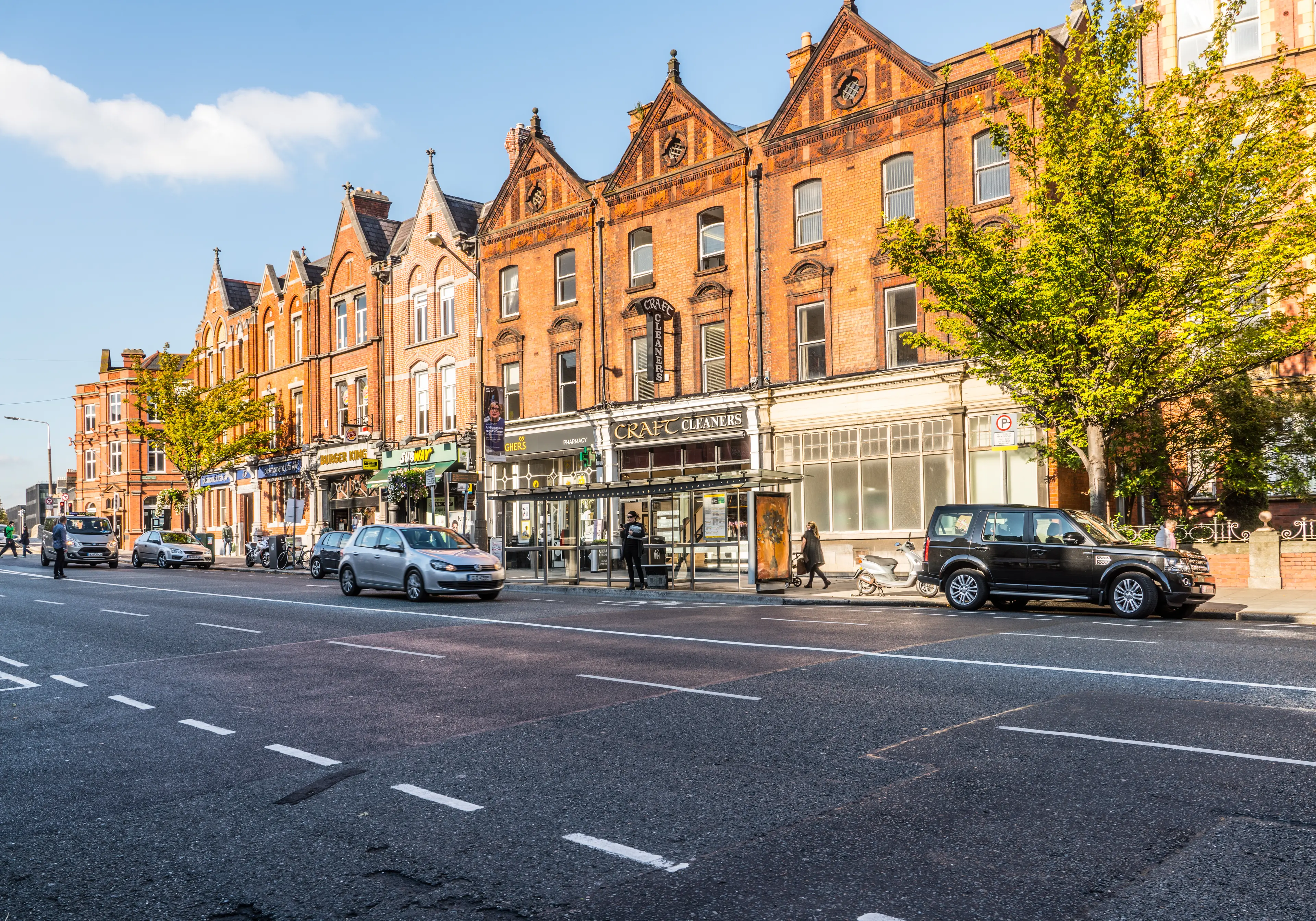
A Day on Baggot Street: Pubs, Eateries, and History
Baggot Street is one of Dublin city centre’s most charming streets to spend a day on, pairing some of the capital’s oldest pubs with genuinely good food, nice coffees, and a literary history that produced one of Ireland’s best-loved poems. The street is divided into Lower Baggot Street (Merrion Row to the Grand Canal) and Upper Baggot Street (the canal to Pembroke Road), it runs for around 700 metres through the heart of Georgian Dublin. It’s best enjoyed at a relaxed pace, taking time to discover everything the area has to offer.
A Baggot Full of History
Baggot Street got its name from Baggotrath, an old manor that belonged to Robert Bagod, a Norman judge, in the 13th century. A castle called Baggotrath Castle once stood nearby, but it was damaged during the Battle of Rathmines in 1649 and was later demolished. According to Wikipedia’s entry on Baggot Street, the road was known as Gallows Road through the 18th century, a grim reference to public executions carried out there, and was only renamed Baggot Street in 1773.
Many of the Georgian and Victorian buildings along the street are still standing today, giving the area its unique character. In the 1830s, Catherine McAuley founded the Sisters of Mercy at what became the Mercy International Centre on Lower Baggot Street, and by the early 20th century the street had become a magnet for Dublin’s writers and artists, a role it’s still known for today.
Iconic Pubs You Should Visit
One of the things Baggot Street is best known for is its pubs. Whether you’re looking for a cosy traditional bar or a lively modern venue, there’s something for everyone. The three most consistently recommended are Toners, Doheny & Nesbitt, and Searsons, with their own characters.
Toners is widely regarded as one of Dublin’s oldest surviving pubs, known for its cosy snugs, dark wood interior and traditional pint of Guinness, the kind of bar locals bring visitors to when they want the “real” old Dublin pub experience.
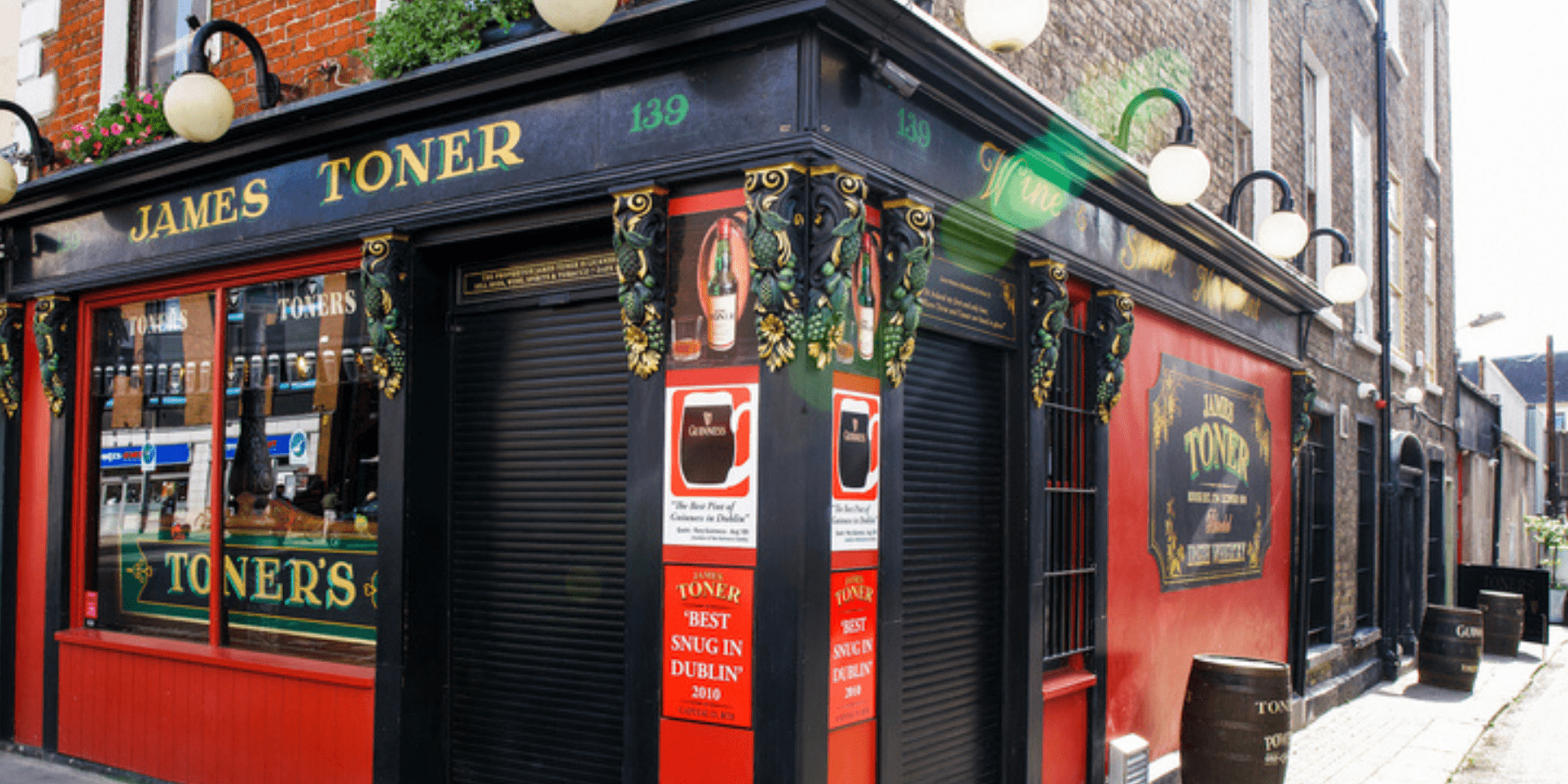
Toners, Toners is widely regar ded as one of Dublin’s oldest surviving pubs, known for its cosy snugs, dark wood interior and traditional pint of Guinness, the kind of bar locals bring visitors to when they want the “real” old Dublin pub experience.
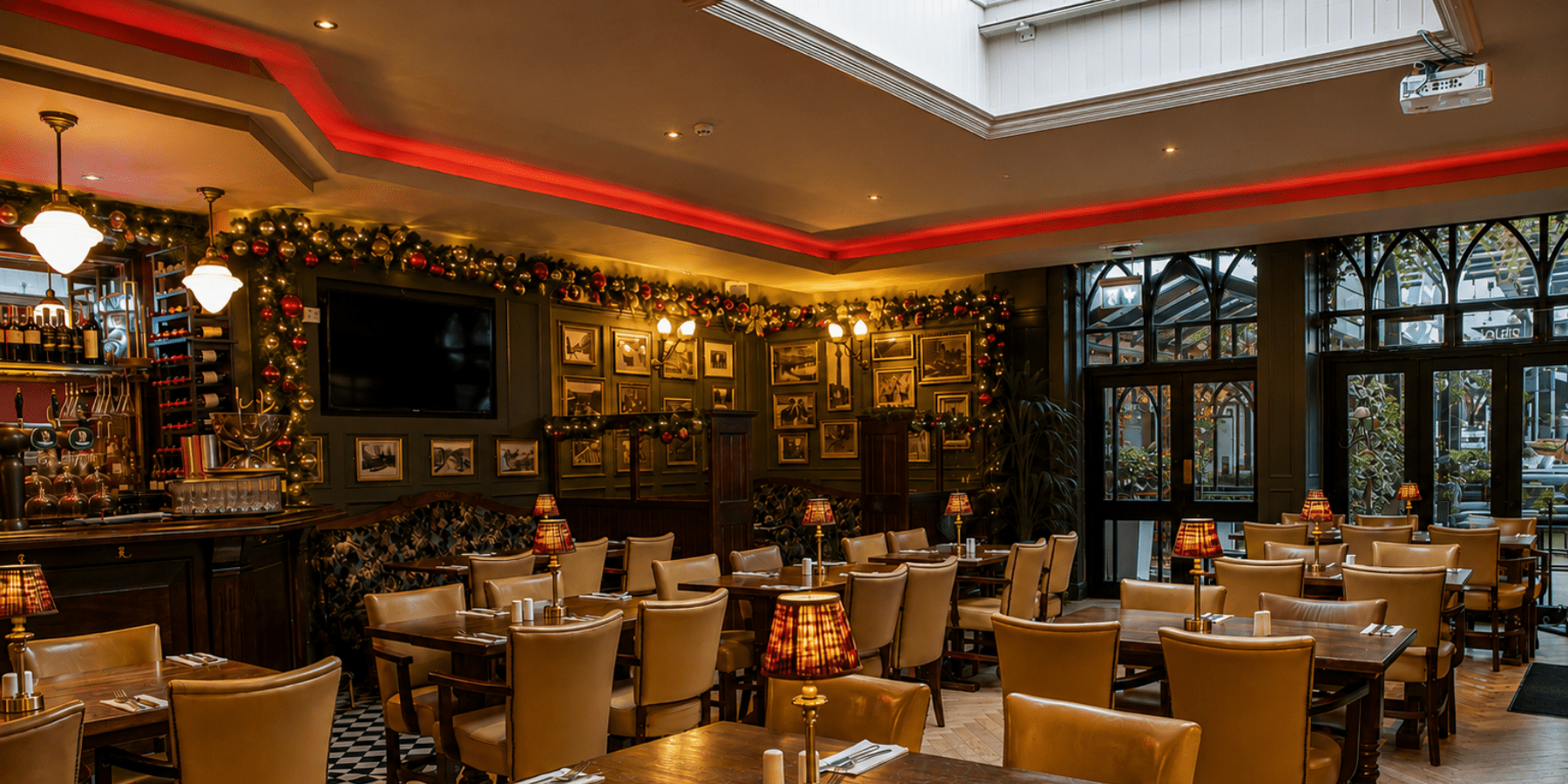
Searsons, on Upper Baggot Street, is the modern choice, with a spacious bar, outdoor area, food menu and a well-regarded whiskey selection, making it a popular spot for after-work drinks, match days and weekend gatherings.
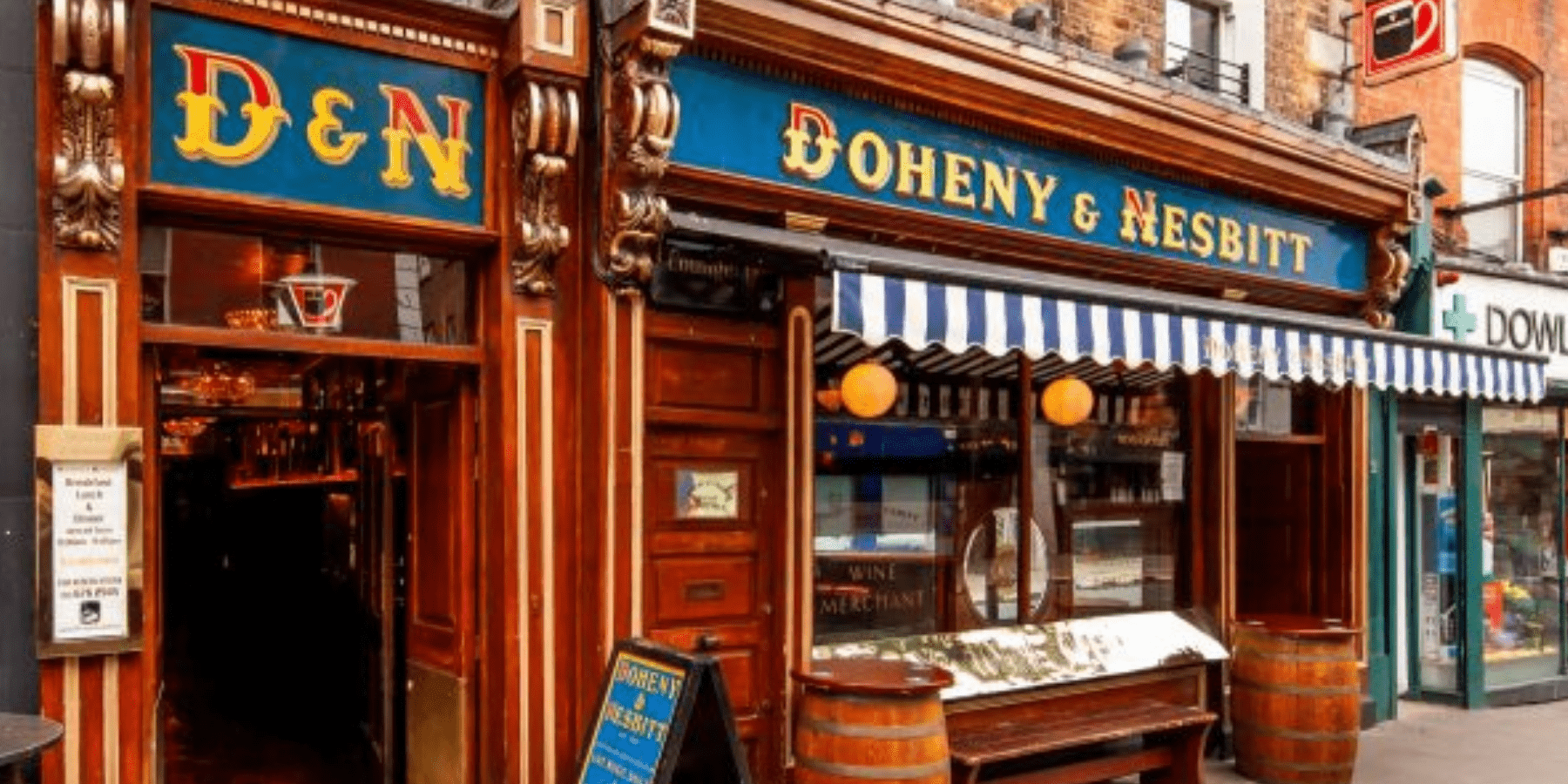
Doheny & Nesbitt, Further down Lower Baggot Street, has its own political and literary folklore: its late-night conversations among journalists and civil servants gave rise to the phrase “the Doheny & Nesbitt school of economics”, a nod to how much serious debate has happened over its bar.
Where to Eat on Baggot Street?
Baggot Street’s dining scene moves well beyond Irish pub food, with genuinely strong options in French-Irish, Japanese and South Indian cooking within a few minutes’ walk of each other.
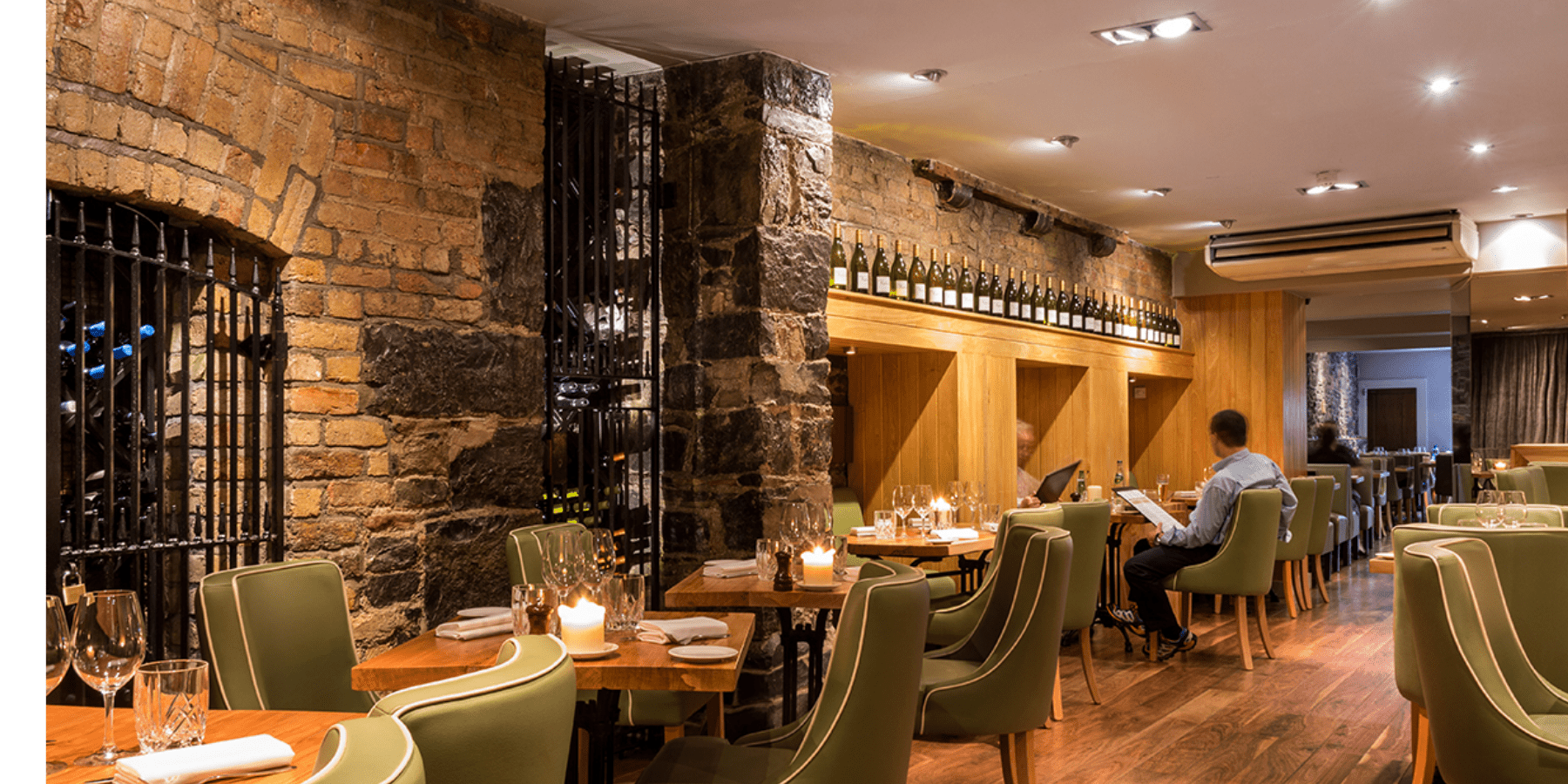
Bloom Brasserie, serves modern Irish food with French influences, built around seasonal menus and fresh, local ingredients.
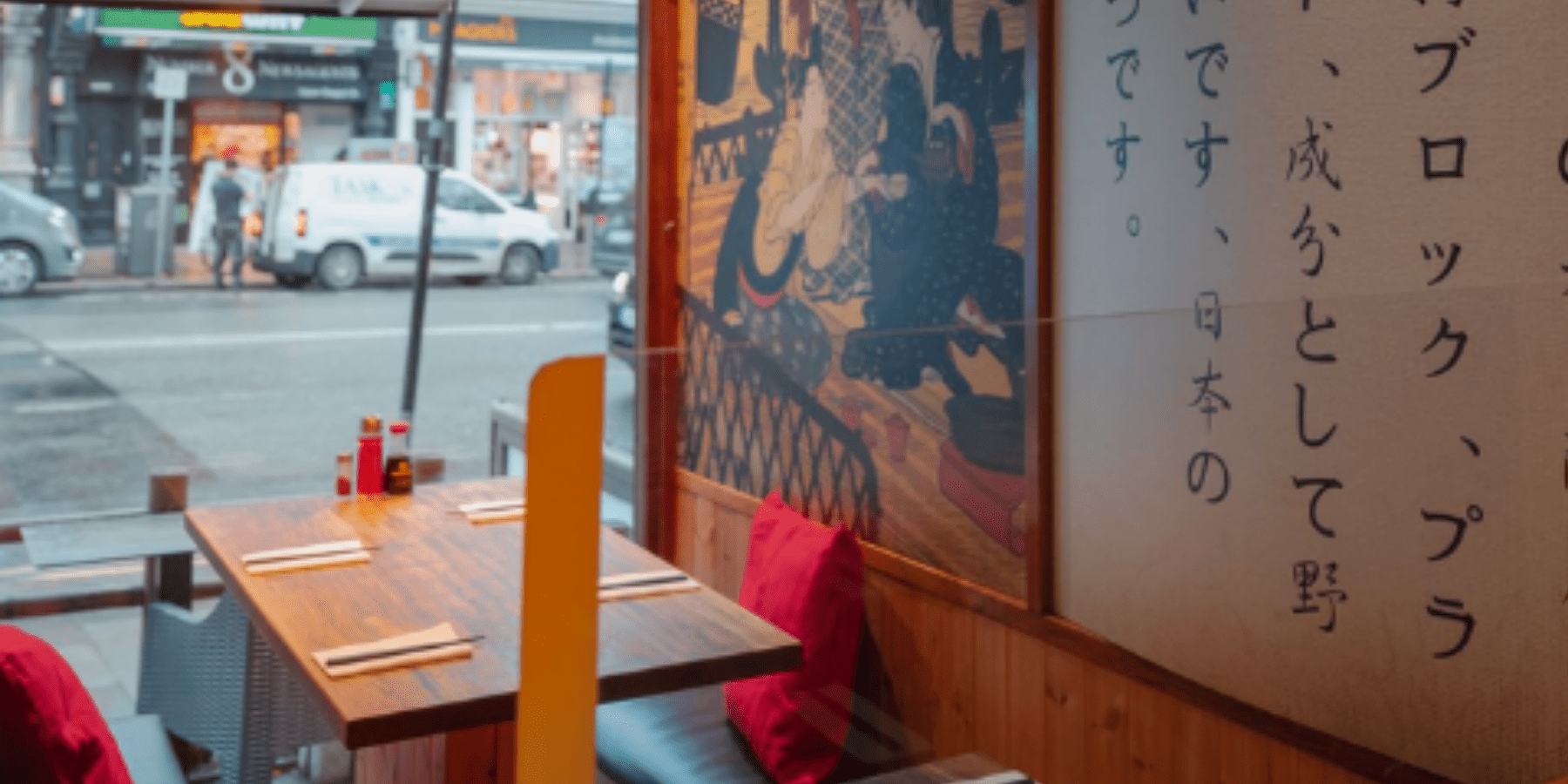
Zakura Izakaya is a cosy Japanese spot known for sushi, ramen, tempura and gyoza, well suited to a relaxed lunch or dinner.
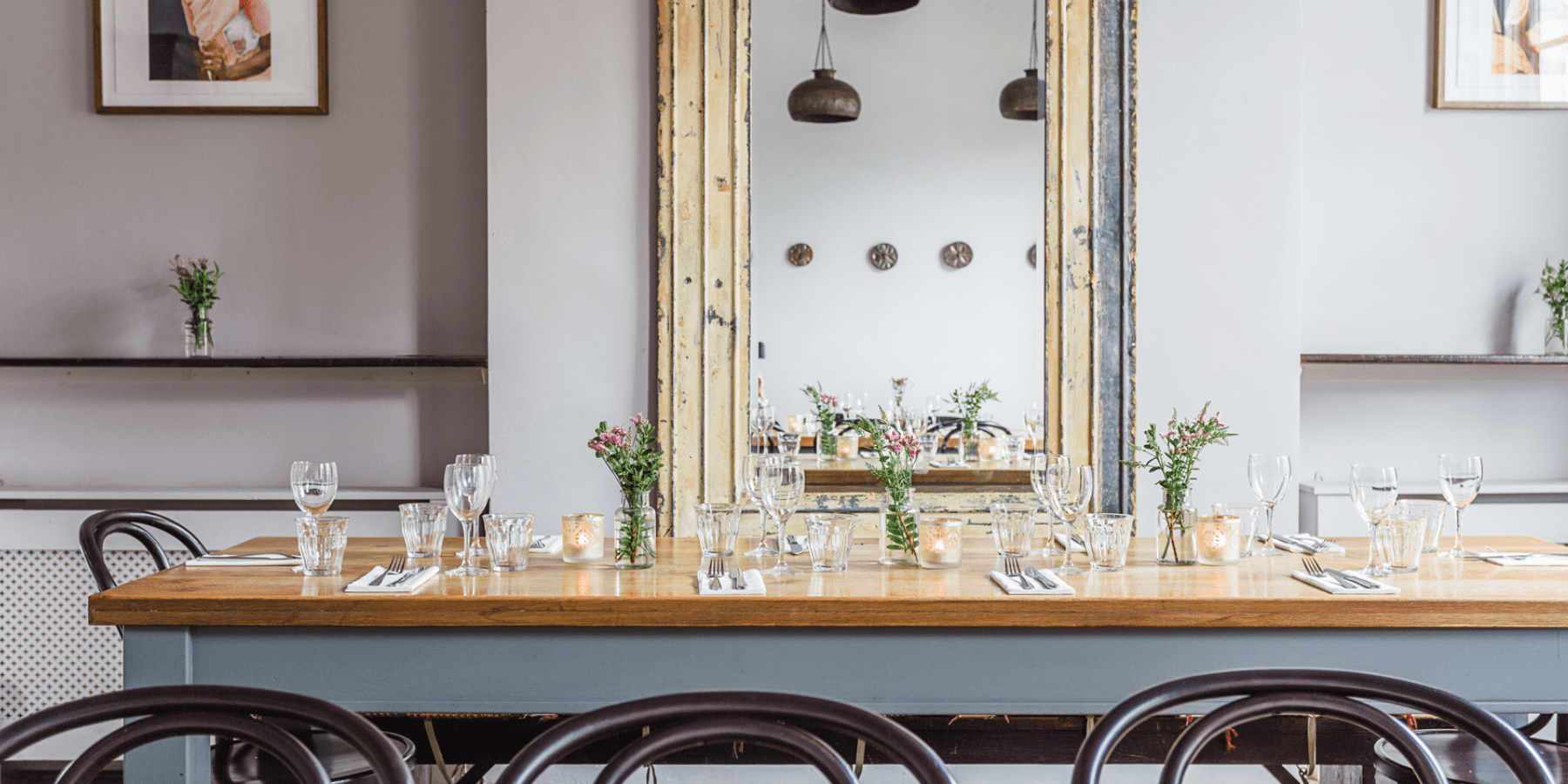
Kerala Kitchen is for authentic South Indian food, serving flavourful curries and traditional dishes with real depth of spice.
Where can you grab a coffee on Baggot Street?
Baggot Street has great options for coffees, and it’s one locals rate as highly as its pubs.
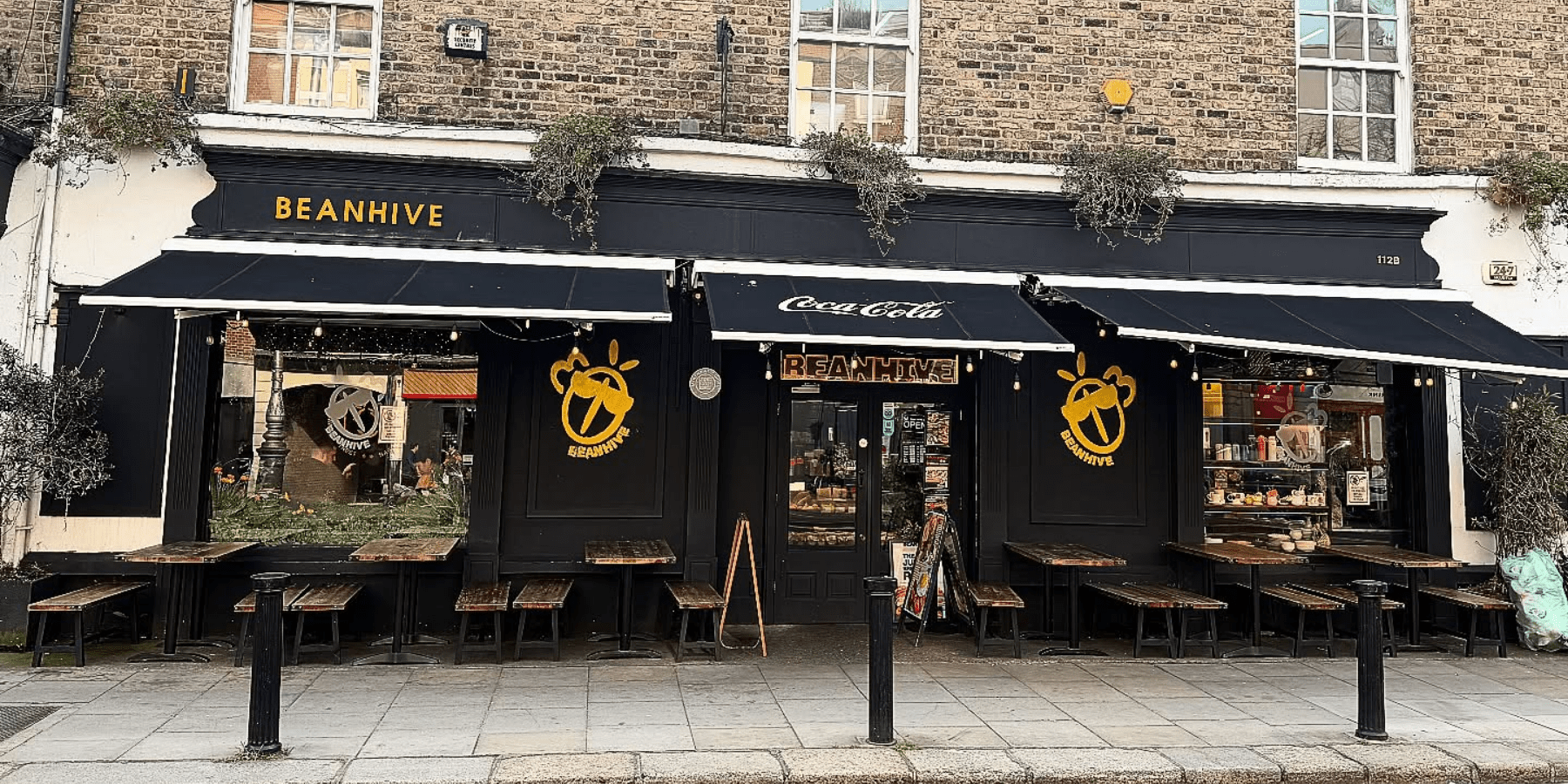
Beanhive, at Baggot Street Lower, is a small, well-loved café known for its latte art and Irish breakfast, don’t forget to reserve the table as it books out sometimes!
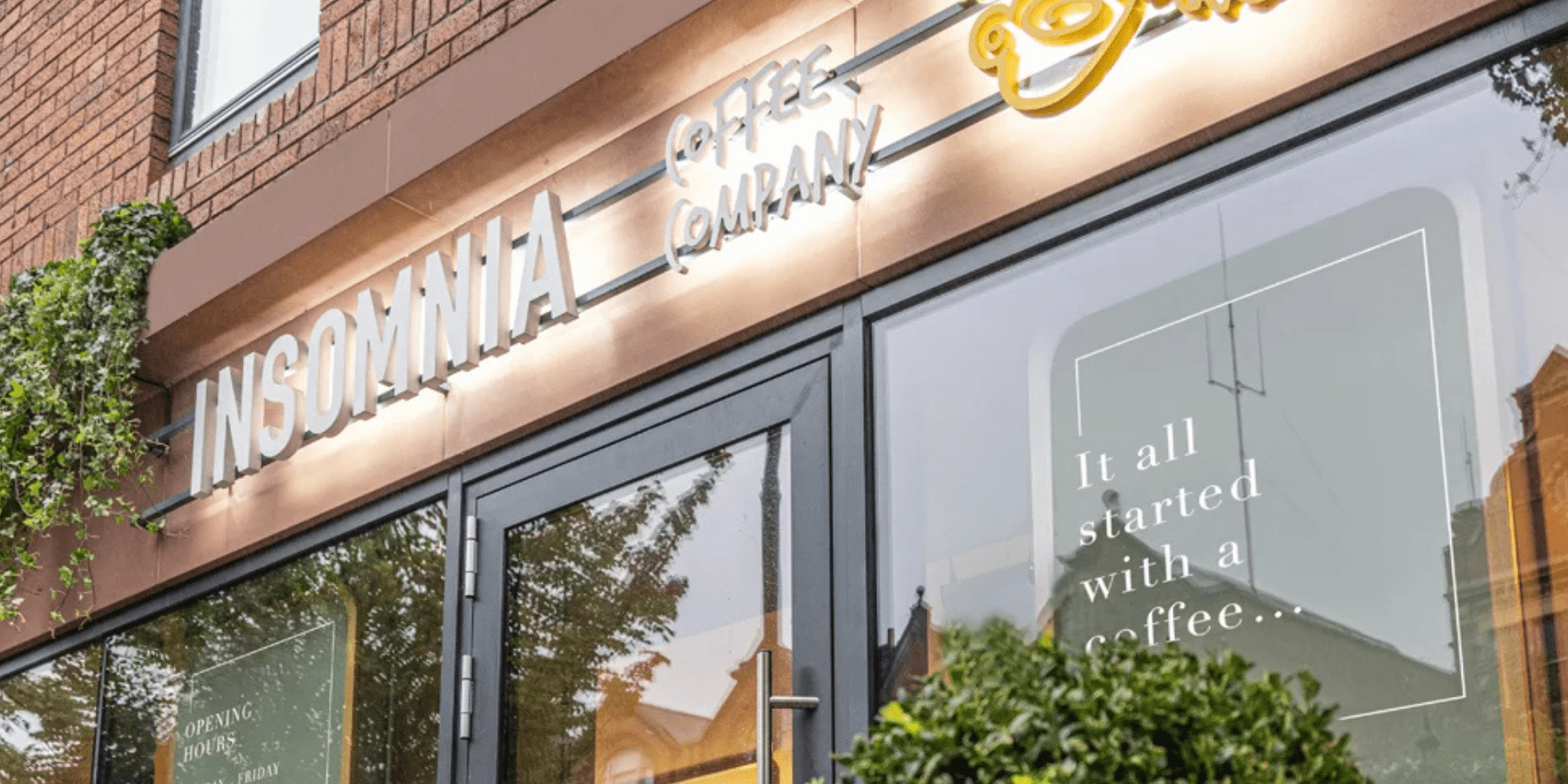
Insomnia’s Baggot Lumen branch was named Café of the Year at Ireland’s Retail Excellence Awards in 2023, recognised for its atmosphere and consistency.
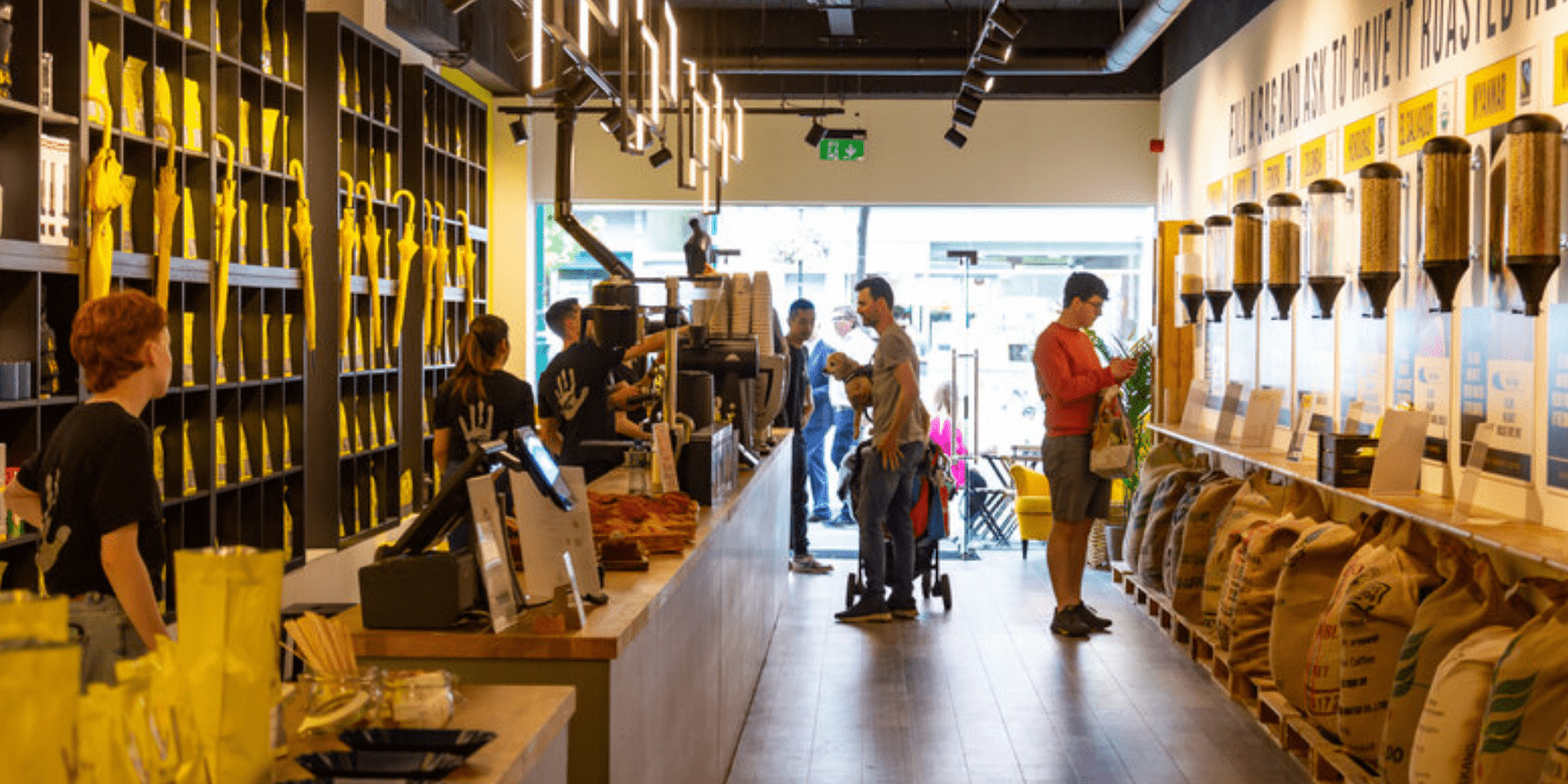
Cool Hand Coffee Roasters brings a more specialist edge, roasting single-origin beans on site and running weekend latte-art workshops, and ranks among Dublin’s better-regarded coffee roasters.
Between these three, and smaller spots like Cafe Sol, there’s a genuine reason to treat Baggot Street as a coffee destination rather than just a pub crawl.
What is “Baggotonia” and why does it matter to Irish art and culture?
“Baggotonia” is the name given to the bohemian literary and artistic scene that flourished around Baggot Street and the Grand Canal from the 1940s to the 1960s. At the time, the area offered affordable flats to writers and artists.
The poet Patrick Kavanagh called Baggot Street his favourite place in Dublin and wrote of it in his poem “If Ever You Go to Dublin Town”, asking future Dubliners to “inquire for me in Baggot Street / And what I was like to know.” The painter Francis Bacon was born at 63 Lower Baggot Street in 1909, and writers including Flann O’Brien, Brendan Behan, Elizabeth Bowen and Thomas Kinsella associated with the area.”
That history hasn’t been left in the past. Filmmaker Alan Gilsenan’s 2022 documentary Ghosts of Baggotonia, made for the Irish Film Institute, revisits the era through the writings of Kavanagh, Samuel Beckett and Flann O’Brien and a rare collection of black-and-white photographs from artist Nevill Johnson. It’s great to watch before a visit for anyone who wants to know the literary context behind the street’s pubs and doorways on the street.
Are there any festivals or events on Baggot Street?
The Baggotonia Festival is Baggot Street’s annual event, run each September and directly inspired by the mid-20th-century bohemians who made the area famous, including Patrick Kavanagh, Elizabeth Bowen, Flann O’Brien, Brendan Behan and artist Frances Bunch Moran.
It runs across five days and combines a celebration of Baggotonia’s literary past with a programme aimed at everyone who lives in, works in, or visits the area today. It’s the single best time to plan a Baggot Street visit for anyone who wants the cultural side of the street alongside its pubs and restaurants.
What stories and legends come from Baggot Street?
Beyond its literary fame, Baggot Street has some sad Dublin history worth knowing before a visit. In its 18th-century days as Gallows Road, the street was the site of public executions, including that of Darkey Kelly, a brothel-keeper controversially convicted and executed by burning in 1761 in a case still debated by historians today.
Archbishop Dermot O’Hurley was hanged on the same stretch of road in 1584 for his role in the underground Catholic Church, and was later beatified by Pope John Paul II in 1992. It’s a reminder that the street’s genteel Georgian face sits on top of a much rougher history, good context for a walking tour, if handled with the seriousness it deserves rather than as a novelty.
Baggot Street’s history spans public executions on the old Gallows Road, the founding of the Sisters of Mercy, and a literary scene that shaped modern Irish poetry, a lot of ground for a 700-metre street.
Planning Your Visit?
Baggot Street is very easy to reach on foot, just a 10 to 15 minute walk from both St Stephen’s Green and Merrion Square, and it’s well served by several Dublin Bus routes along Baggot Street itself, with Grand Canal Dock and nearby DART/Luas connections making it accessible from across the city.
For visitors planning a wider day out, check out DublinTown’s things to see and do in Dublin guides that cover the surrounding streets that are good to pair with a Baggot Street visit.
Daytime suits the architecture, cafés and shopping; evenings bring Baggot Street’s pubs to life, particularly Thursday to Saturday. Its Georgian pavements and mostly level ground make it a comfortable walk for most visitors, though as with much of Dublin’s older streetscape, kerbs and doorsteps vary, so anyone with mobility needs may want to check individual venues ahead of a visit.
Planning a day in Dublin city centre?
Explore more via our stories and guides.
Frequently Asked Questions
Q: Where is Baggot Street in Dublin?
A: Baggot Street runs from Merrion Row, just off St Stephen’s Green, southeast across the Grand Canal to Pembroke Road. It is split into Lower Baggot Street (Merrion Row to the canal) and Upper Baggot Street (the canal to Pembroke Road), and sits within easy walking distance from the main area of Dublin city centre.
Q: What is Baggot Street famous for?
A: Baggot Street is known for its Georgian and Victorian architecture, its traditional Irish pubs such as Toners and Doheny & Nesbitt, and its literary history, it was the heart of “Baggotonia”, the mid-20th-century bohemian scene associated with Patrick Kavanagh, Flann O’Brien and Francis Bacon, who was born on the street in 1909.
Q: Is Baggot Street worth visiting in Dublin?
A: Yes. Within a few hundred metres visitors can find historic pubs, a strong food, great coffee places and genuine literary heritage, all a 10 to 15 minute walk from St Stephen’s Green or Merrion Square, making it an easy add-on to a day exploring Dublin city centre.